The Love and Deepspace collaboration at Anime Expo was not just another convention appearance — it became a case study in how scarcity is actively constructed, amplified, and monetized within ACG merchandise culture.
Anime Expo, as one of the largest anime conventions in North America, functions not only as a cultural gathering but also as a controlled release environment. Products launched here are not simply sold — they are geographically and temporally restricted by design.
In this context, the Love and Deepspace English-language merchandise immediately gained a different status: not just “new,” but structurally inaccessible to most fans.
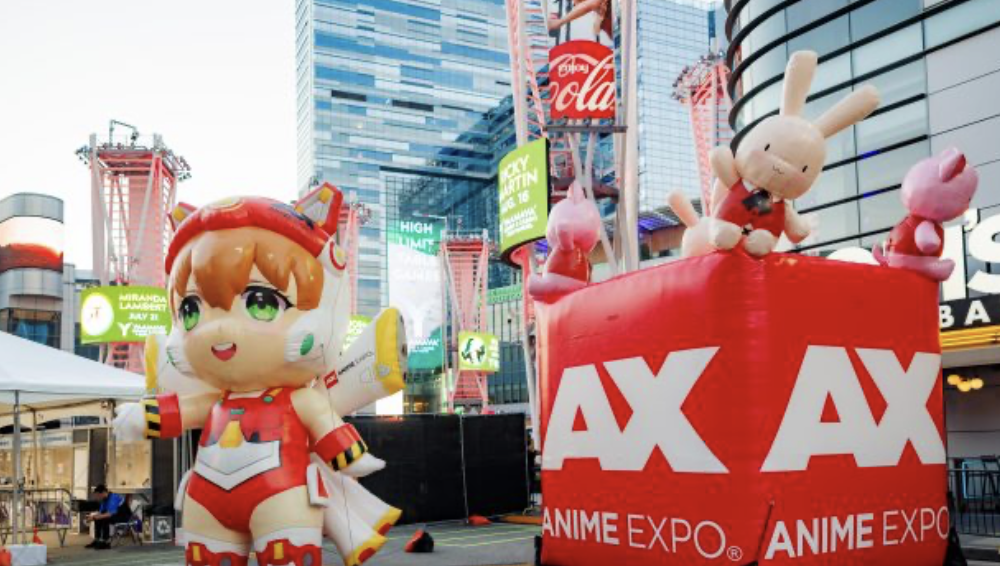
Love and Deepspace at Anime Expo 2025
01The Contrast
At Bilibili World in China, the same IP is presented within a localized ecosystem — Chinese-language materials, broader accessibility, and relatively more predictable distribution.
- •Localized ecosystem
- •Broader accessibility
- •Predictable distribution
- •Regional audience
- •Global demand
- •Hyper-local access
- •English localization
- •Structural exclusivity
The Anime Expo release operates under a different logic: it targets a global audience while restricting access to a single physical location. The result is a paradox — global demand paired with hyper-local availability.
Scarcity here is not accidental. It is produced.
02Three Layers of Scarcity
Hover over each layer to explore
Event Exclusivity
Merchandise is only available at a specific convention — a single point in space that most fans cannot reach.
Regional Differentiation
English packaging and localization signal that this is a 'different version,' not just a duplicate. The packaging itself becomes a marker of otherness.
Limited Distribution Window
Access is constrained by time, queues, and physical presence. The window closes, and with it, the possibility of ownership.
Together, these conditions transform merchandise into something closer to a scarcity-driven signal rather than a purely functional product.
03Behavior & Value Creation
Long queues became part of the system itself, to the point where some fans reportedly hired others to stand in line on their behalf. In parallel, even free giveaway items — which theoretically hold no monetary value — entered the resale market at prices reaching around $200.
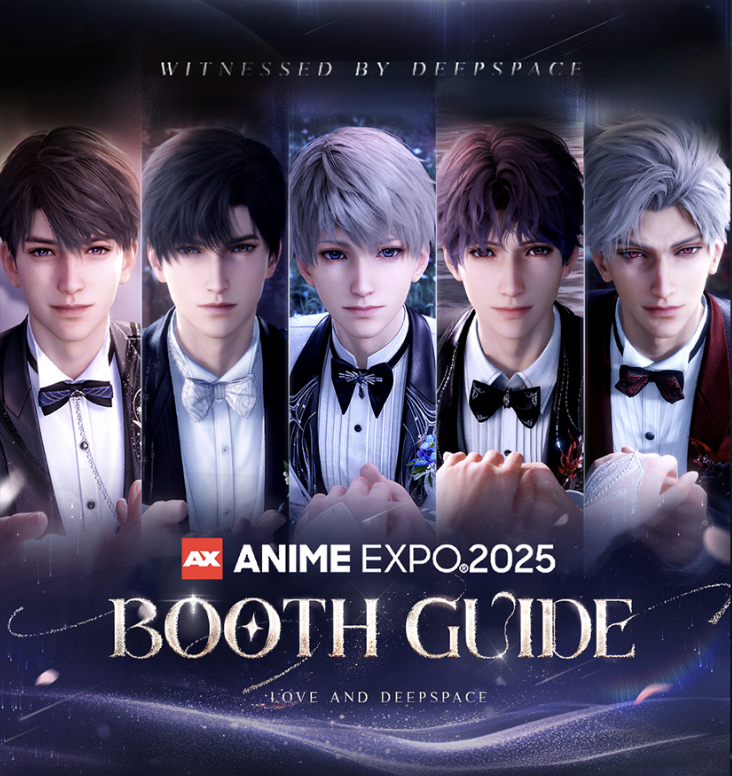
Queue and merchandise display at Anime Expo
This is not simply resale.
It is value creation through restricted access. The item's price encodes not the cost of production, but the cost of exclusion — the price of not being there.
04Scarcity at the Social Level
Scarcity does not operate only at the market level. Within fan communities, owning certain items signals not only taste but also effort, access, and commitment. When access is limited, possession becomes a marker of legitimacy.
Collecting is no longer just about preference — it's about not being left behind.
FOMO (fear of missing out) is not only about missing a product — it is about missing a moment, a version, or a shared reference point within the community. The more fragmented and region-specific the information is, the stronger this anxiety becomes.
05The Question
At what point does collecting shift from enjoyment to pressure?
Scarcity undeniably adds meaning to collectibles. Limited releases can make ownership feel more personal and significant. But when access is constrained to the point where it requires outsourcing labor (queueing) or paying extreme resale prices, the system begins to prioritize exclusivity over experience.
For collectors, navigating this landscape requires a different mindset. Completing a collection does not necessarily mean owning every version — especially when those versions are intentionally designed to be inaccessible. Instead, understanding what exists, where it was released, and why it is limited becomes equally important.
06Information as Context
This is where structured information becomes critical. Platforms like MerchLog aim to reduce the informational gap by organizing global releases, distinguishing regional versions, and making scarcity visible — not as pressure, but as context.
The value of a collection
should come from recognition and appreciation — not from the anxiety of what might be missing.